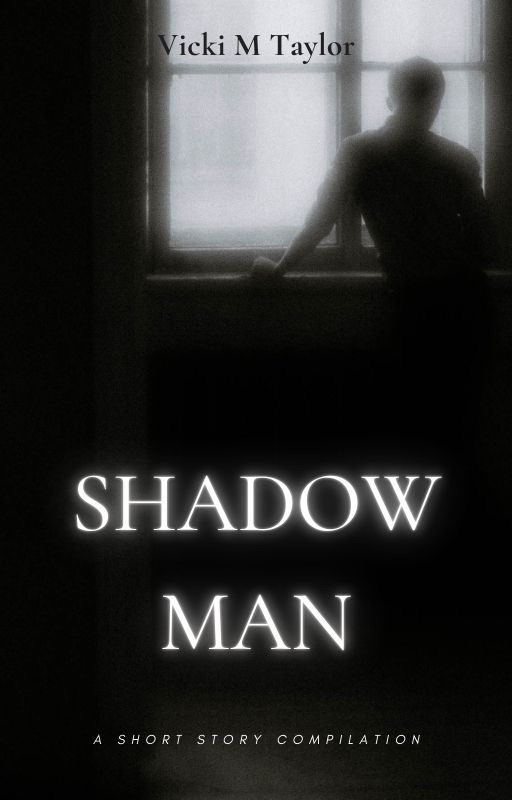
For many veterans and first responders, the transition from the battlefield to civilian life is a journey fraught with unspoken challenges and internal conflict. Traditional narratives often focus on the mechanics of war, but they frequently overlook the profound psychological resilience required to endure and recover from trauma. This gap in storytelling leaves many feeling misunderstood, searching for a mirror that reflects their specific brand of courage and the heavy toll of service.
Award-winning author Vicki M. Taylor addresses this void with her latest release, Shadow Man:Unbroken – Fictional Chronicles of Warrior Resilience. Drawing on her extensive background in chronicling the human experience, Taylor uses fiction as a medium to explore the gritty reality of those who serve in the shadows. This interview explores the inspiration behind her new book and how she crafts stories that offer both a voice and a sense of healing to the warrior community.
Q: Your latest book focuses heavily on the concept of “warrior resilience.” What specifically drew you to this theme for Shadow Man:Unbroken?
Vicki M. Taylor:
Warrior resilience isn’t an abstract concept for me — it’s something I’ve lived. I served in the United States Marine Corps, and like so many veterans, I carried wounds home that no one could see. I was raped by two fellow Marines during my service, and that trauma became the silent companion of my adult life. PTSD doesn’t announce itself politely. It ambushes you in the grocery store, in your sleep, in the middle of an ordinary Tuesday. When I finally began writing Shadow Man: Unbroken, I wasn’t drawing from research or observation — I was drawing from memory, from survival, from decades of learning what it truly means to remain unbroken. The warriors in these stories don’t just endure — they fight to reclaim themselves. That fight felt like the most honest and necessary story I could tell.
Q: The protagonist in your book navigates intense psychological landscapes. How did you research the emotional experiences of veterans to ensure the story felt authentic?
Vicki M. Taylor:
My research began the day I put on my uniform. I didn’t need to interview veterans or read academic studies to understand the psychological weight of service, betrayal, and survival — though I’ve done both over the years. Military sexual trauma is a particular kind of wound because the violence doesn’t come from the enemy. It comes from someone wearing the same uniform, someone you were trained to trust with your life. That betrayal fractures something fundamental in a person’s identity as a warrior. I wrote from the inside of that fracture. My characters’ internal landscapes — the hypervigilance, the fractured trust, the battle between faith and despair — are maps of terrain I know personally. Nearly four decades as a professional writer taught me to channel that raw truth into story with craft and intention. Authenticity was never the challenge. Finding the courage to put it on the page was.
Q: Fiction can often reach people in ways that non-fiction cannot. Why did you choose the “fictional chronicles” format to discuss real-world trauma and recovery?
Vicki M. Taylor:
Fiction creates a door that memoir sometimes cannot. When a reader picks up a true account of trauma, they can unconsciously keep their distance — it happened to someone else, in a specific time and place. But when that same truth lives inside a character, something shifts. The reader steps through the door and inhabits the experience alongside that character. They feel the fear, the shame, the hard-won moments of grace without the self-protective wall that “this is someone’s real story” can sometimes trigger. I also chose fiction because it gave me the freedom to composite experiences — to honor the truth of military sexual trauma and PTSD across different life stages and circumstances without being constrained to a single narrative. The “fictional chronicles” format allowed me to say: this is not one person’s story. This is a pattern of experience that belongs to thousands of warriors. By fictionalizing it, I paradoxically made it more universally true.
Q: The title mentions “Shadow Man.” Can you explain the significance of this name and what it represents within the context of the story?
Vicki M. Taylor:
The Shadow Man is the darkness that follows survivors of trauma — the unnamed, faceless force that represents everything that was done to us that we didn’t choose and couldn’t control. For me, personally, the Shadow Man represents the two Marines who assaulted me and the long aftermath of that violence — the PTSD, the silence, the years of navigating a world that didn’t yet have adequate language for what I’d survived. But the Shadow Man is also something more universal. He is the embodiment of every trauma that stalks warriors in the quiet hours — combat, betrayal, loss, moral injury. The title’s pairing with “Unbroken” is intentional and essential. The Shadow Man exists. He is real. He follows. But the characters in these chronicles — and the veterans who inspired them — refuse to be defined or destroyed by him. That defiance is the heartbeat of the book.
Q: What do you hope members of the military and first responder communities take away from reading about the struggles and triumphs in this book?
Vicki M. Taylor:
I hope they feel seen — perhaps for the first time. Military culture trains us to be strong, to push through, to never show weakness. That training saves lives on the battlefield and destroys lives at home. When I was assaulted, the culture of silence was so pervasive that speaking up felt more dangerous than staying quiet. Too many warriors are still living in that silence today. I want every service member, every first responder, every person carrying an invisible wound to open this book and find a character who mirrors their experience — and then watch that character choose to survive, to heal, to keep fighting not with weapons but with faith and will and raw human courage. I want them to close the last page knowing they are not alone, they are not broken beyond repair, and that resilience is not the absence of damage — it is the refusal to let the damage be the final word.
Q: Beyond the individual reader, how do you believe stories like Shadow Man:Unbroken help the general public better understand the sacrifices made by those in high-stakes professions?
Vicki M. Taylor:
The general public sees the uniform, the ceremony, the homecoming footage. What they rarely see is what happens inside a warrior after the ceremony ends. PTSD doesn’t photograph well. Military sexual trauma doesn’t make the evening news. The invisible costs of service — the fractured relationships, the hypervigilance, the grief that has no socially acceptable name — remain hidden behind the very strength and discipline we trained ourselves to project. Story changes that. When a civilian reader follows a character through the aftermath of assault, through a sleepless night haunted by what happened in the barracks rather than on the battlefield, something essential shifts in their understanding. Empathy deepens. Assumptions dissolve. That is the work I believe literature is uniquely positioned to do. Shadow Man: Unbroken is not just a collection of stories — it is an invitation to the general public to step inside the experience of those who serve and to recognize that honoring their sacrifice means seeing the whole truth of what service costs.
The insights shared in this discussion highlight the transformative power of storytelling in addressing the complexities of mental health and perseverance. By blending authentic emotional depth with compelling narrative arcs, Vicki M. Taylor provides a roadmap for understanding the invisible scars of service. The interview underscores that resilience is not just about surviving a conflict, but about the continuous journey of remaining “unbroken” in the face of life’s greatest trials.
As the conversation around veteran mental health and first responder support continues to evolve, literature like Shadow Man:Unbroken remains a vital tool for empathy and education. Recognizing the humanity behind the uniform is the first step toward building a more supportive society for our modern warriors. Vicki M. Taylor’s work stands as a testament to the strength of the human spirit and the enduring necessity of sharing these vital chronicles of resilience.
To learn more visit https://vickimtaylor.com/



 Vicki M Taylor
Leave a comment